Infrastructures
Research and experimental infrastructures, both physical and digital, play an essential role in the acquisition of knowledge and in the technological development of the aerospace sector, as well as in the implementation of the innovations that will be required to address the challenges of the near future.
Research and experimental infrastructures, both physical and digital, play an essential role in the acquisition of knowledge and in the technological development of the aerospace sector, as well as in the implementation of the innovations that will be required to address the challenges of the near future.
From a modern perspective, also supported by digital innovation, the development of engineering knowledge and experimental capabilities is becoming increasingly integrated. It is precisely with this vision that CIRA intends to manage and implement strategic research infrastructures in the near future, thereby strengthening its role within the innovation ecosystem in support of research and industry. It is essential that CIRA, in its institutional role, is able to respond effectively to experimental needs which, as in the major international contexts, represent strategic assets for the growth and competitiveness of the sector.
Environmental objectives, facilities for the development of next-generation aircraft with advanced electric propulsion systems, automated production of components made of advanced materials, confined spaces for the testing of urban mobility systems, flight testing for efficient air traffic management, space simulation environments, wind tunnels to enhance flight safety, and computing capabilities integrated into a national distributed supercomputing system are among the main challenges that CIRA will address in the near future through the following areas of activity:
Space Experimentation, focused on the development of facilities and diagnostic capabilities for the testing and qualification of systems and components of space vehicles (thermal protection systems, propulsion systems, electronic components) under operational environmental conditions.
Aeronautical Experimentation, focused on the development of facilities and diagnostic capabilities for the testing of aerodynamic configurations in subsonic, transonic, and low-supersonic flow regimes, as well as protection or anti-icing systems.
Prototyping and Integration, focused on the electronic and mechanical design of electronic and mechanical devices, and on the integration of prototypes and experimental setups that constitute demonstrators of larger size and/or greater complexity.
Supercomputing, focused on the development of the Supercomputing Center and on the optimization of CIRA’s computing capabilities for aerodynamic, aero-thermodynamic, structural, and multiphysics simulations in support of aeronautical and space research.
Facilities
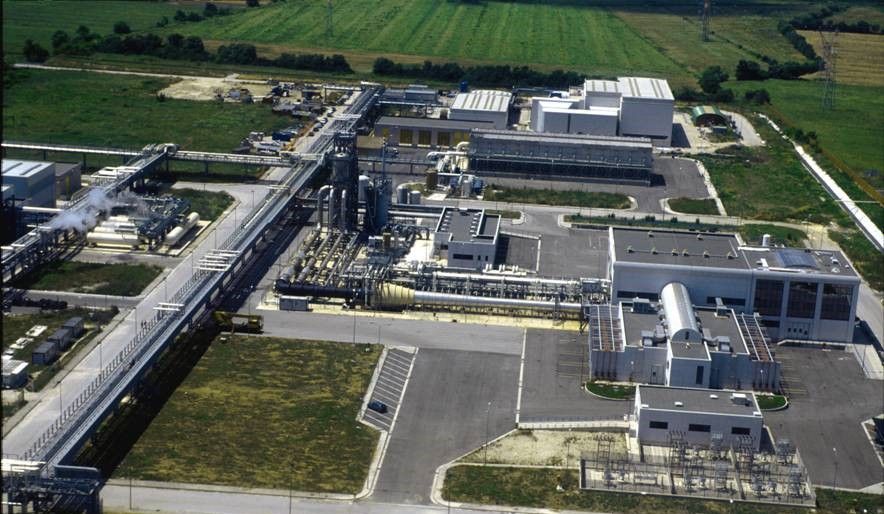
Plasma Wind Tunnel Complex
The Plasma Wind Tunnel Complex includes two hypersonic arc-jet facilities, SCIROCCO and GHIBLI, available for ground simulation of the aerothermodynamic conditions acting on the Thermal Protection Systems and payloads of space vehicles during the hypersonic re-entry phase
Read More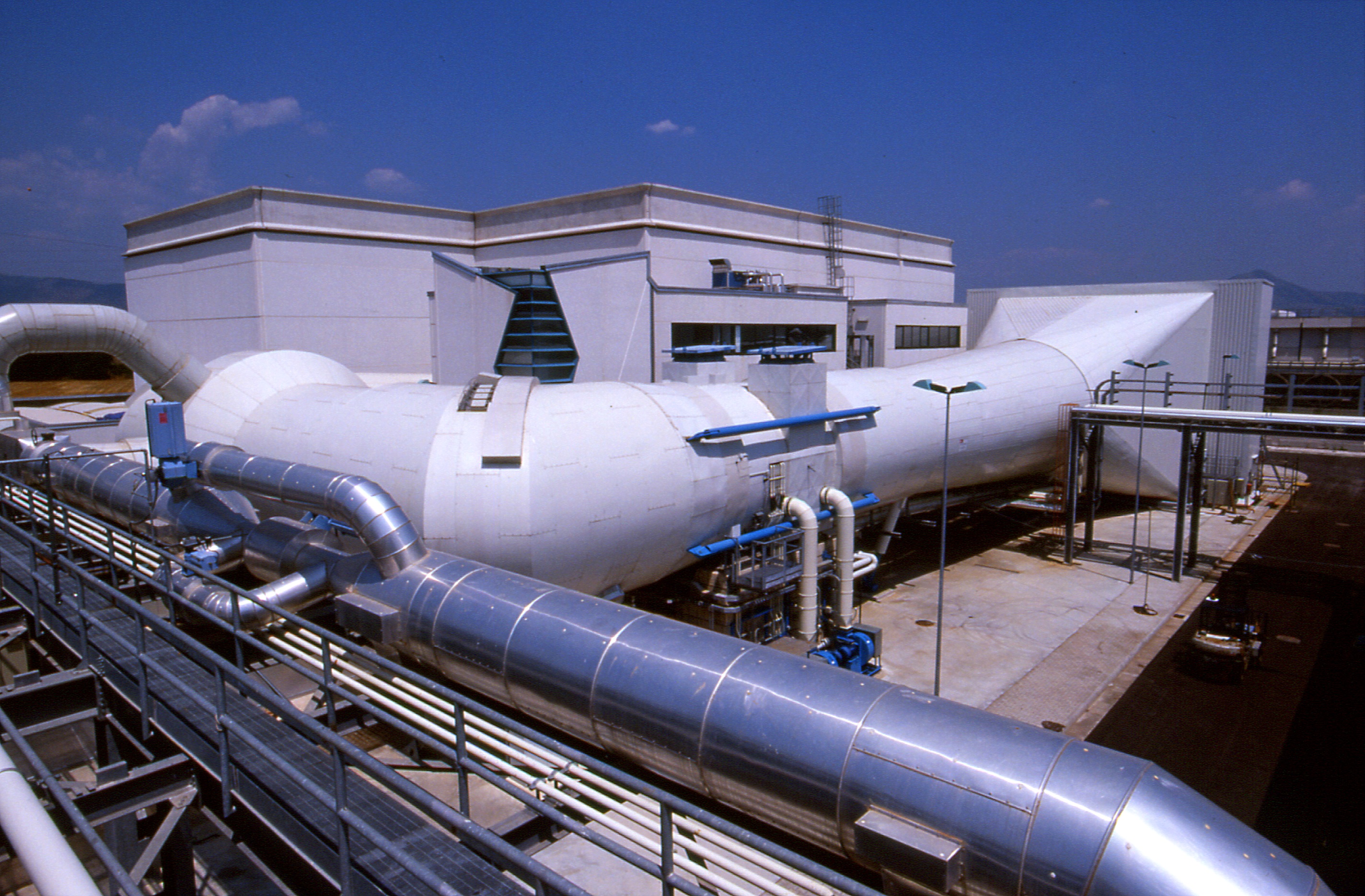
Icing Wind Tunnel
The Icing Wind Tunnel is a multifunctional facility, which can be used for ice tests and also as a conventional wind tunnel.
Read More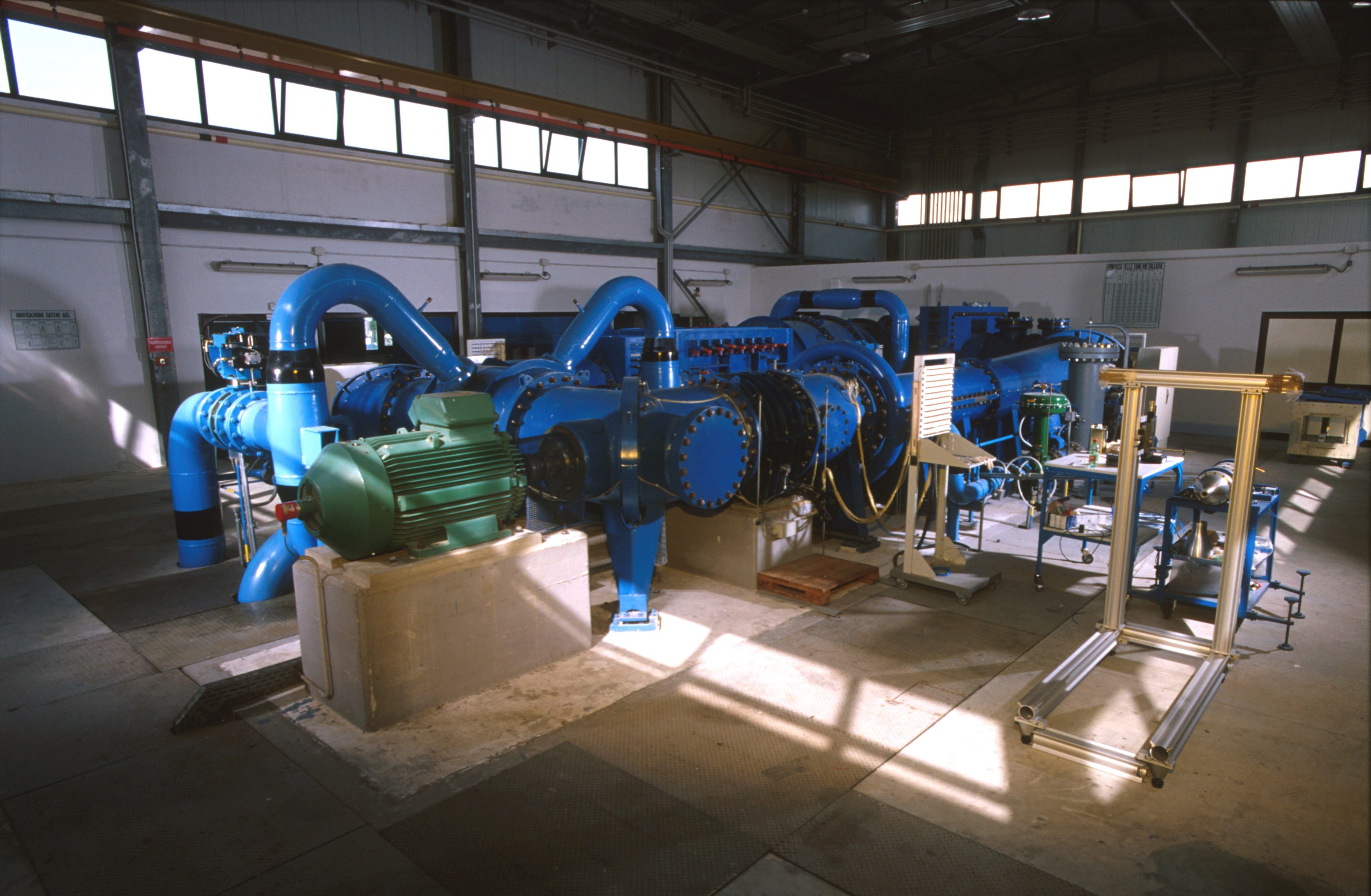
Pilot Tunnel (PT-1)
The PT1 is the only one Italian aerodynamic transonic wind tunnel and it belongs to a tunnel category, due to its size, used mainly for research activities
Read More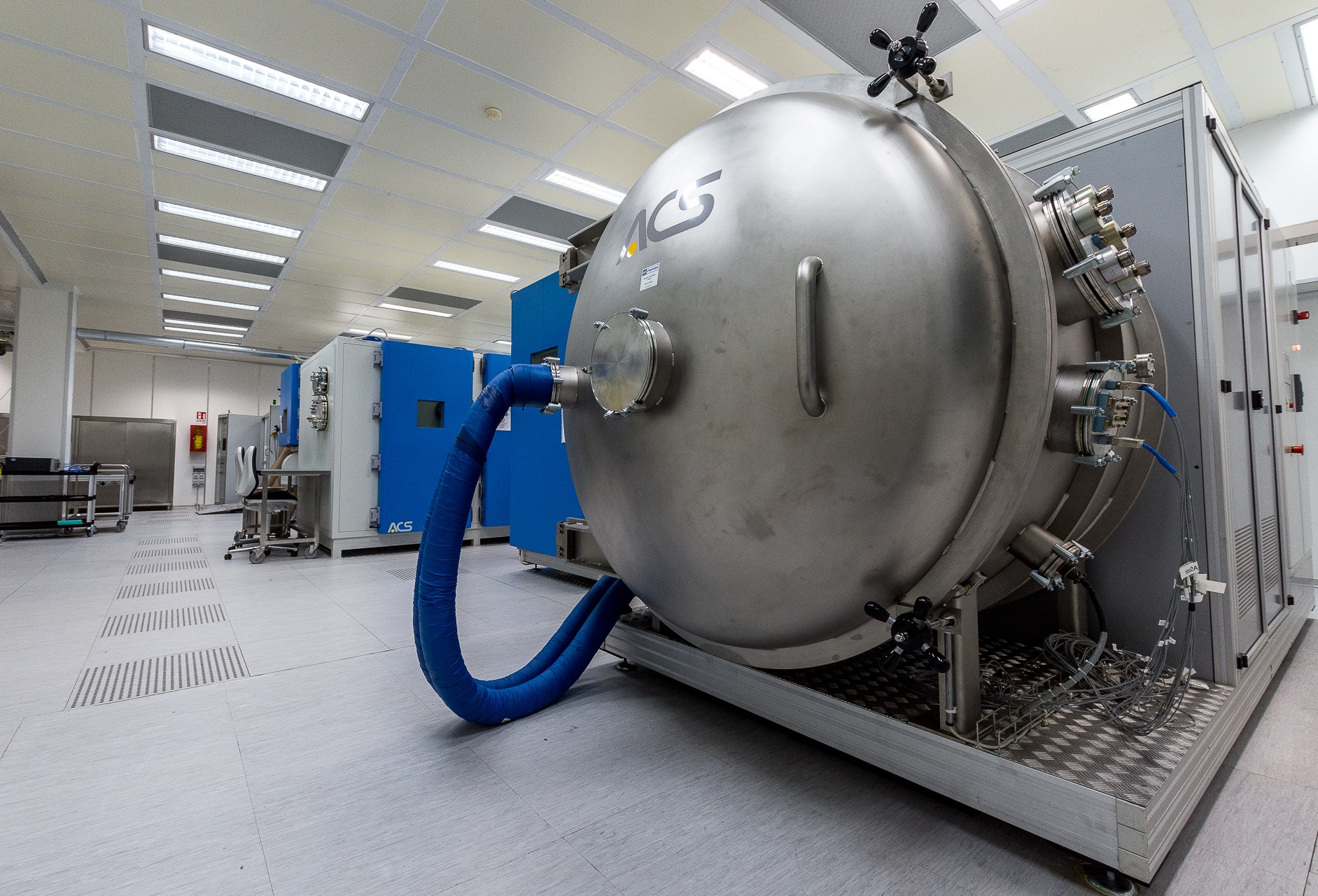
Space Qualification Laboratory
Facility aimed at supporting aerospace companies in the design, manufacturing and testing of nano and micro satellites (up to 70 Kg) and electronic and mechanical components of space, avionic and military systems.
Read More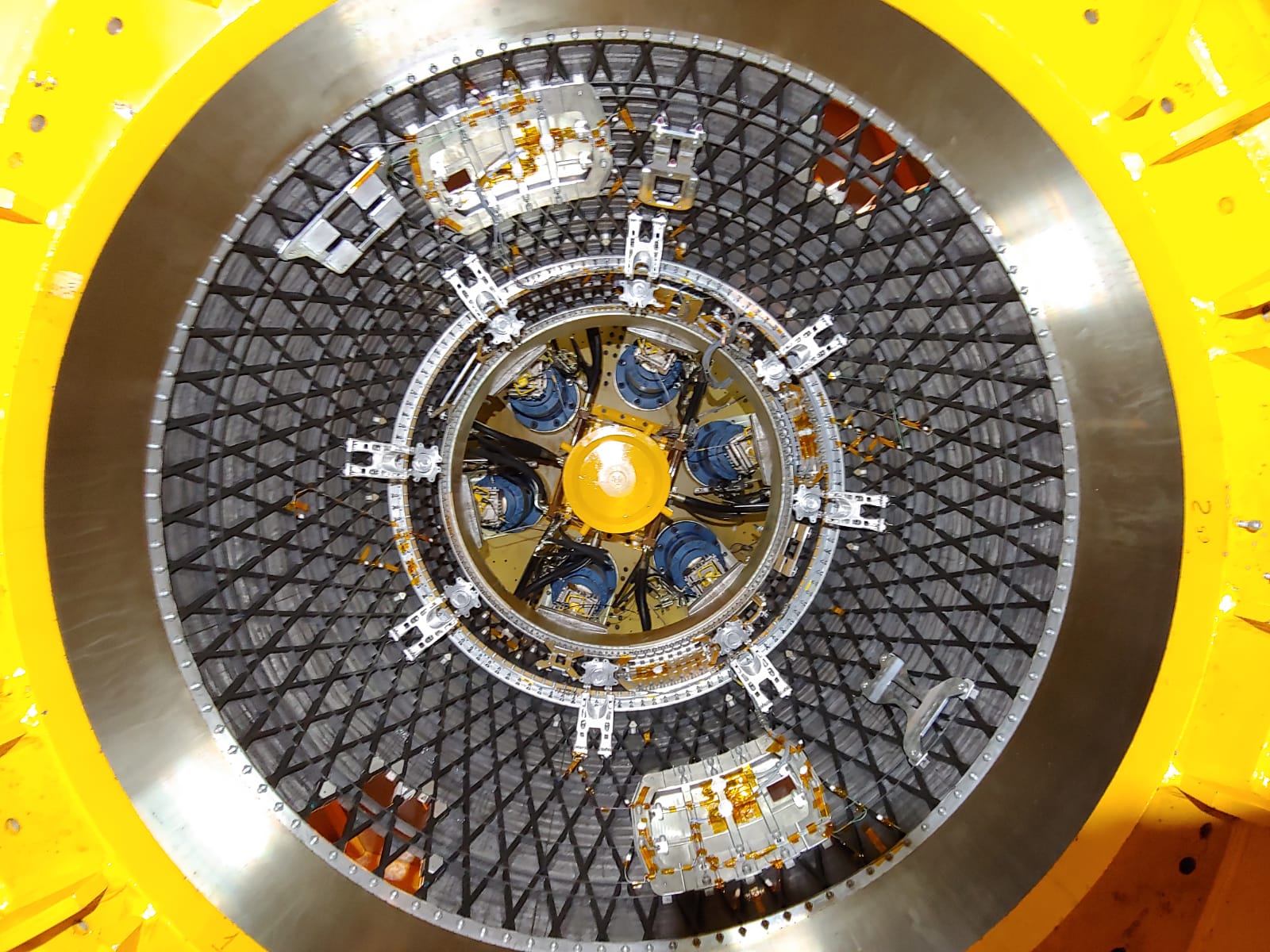
Technological Laboratories for Advanced Materials and Processes
This laboratory carries out studies, testing and characterization of new materials and prototyping of advanced aeronautical and space structures, through the development of innovative process technologies.
Read More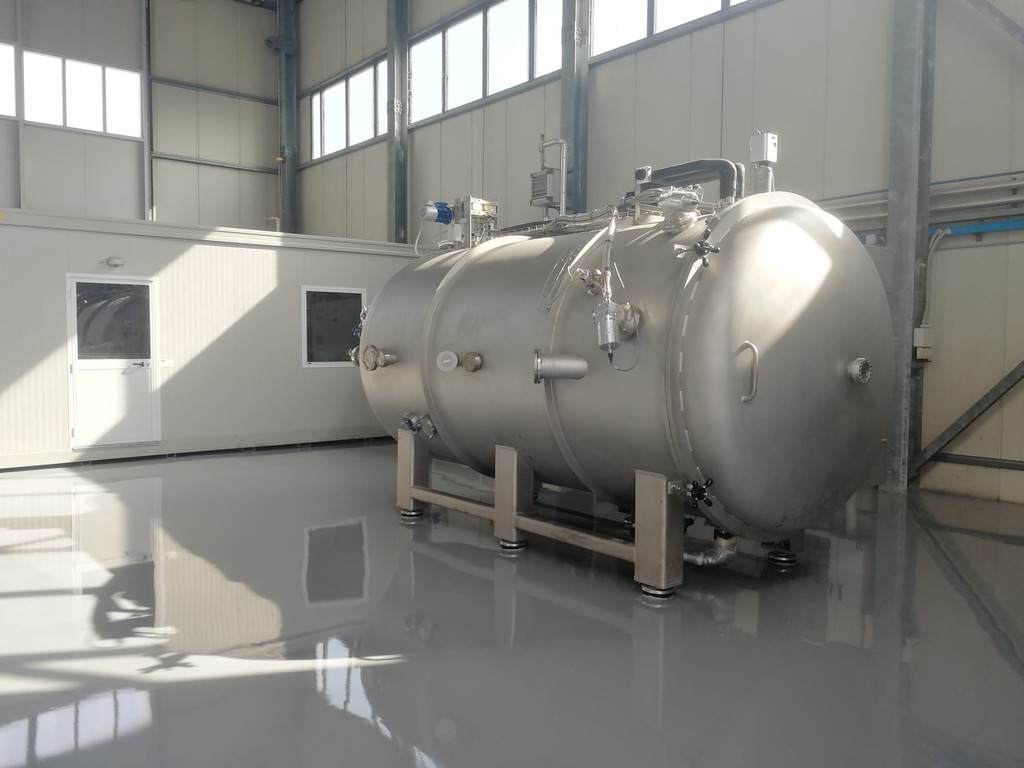
Medium Scale Vacuum Chamber
This research-oriented facility enables the testing of electric propulsion systems with power levels below 5 kW, with particular focus on Hall Effect Thrusters (HET) and ion thrusters.
Read More